Optics & applications
Blog
Lens design and application notes.
8 articles
Latest article
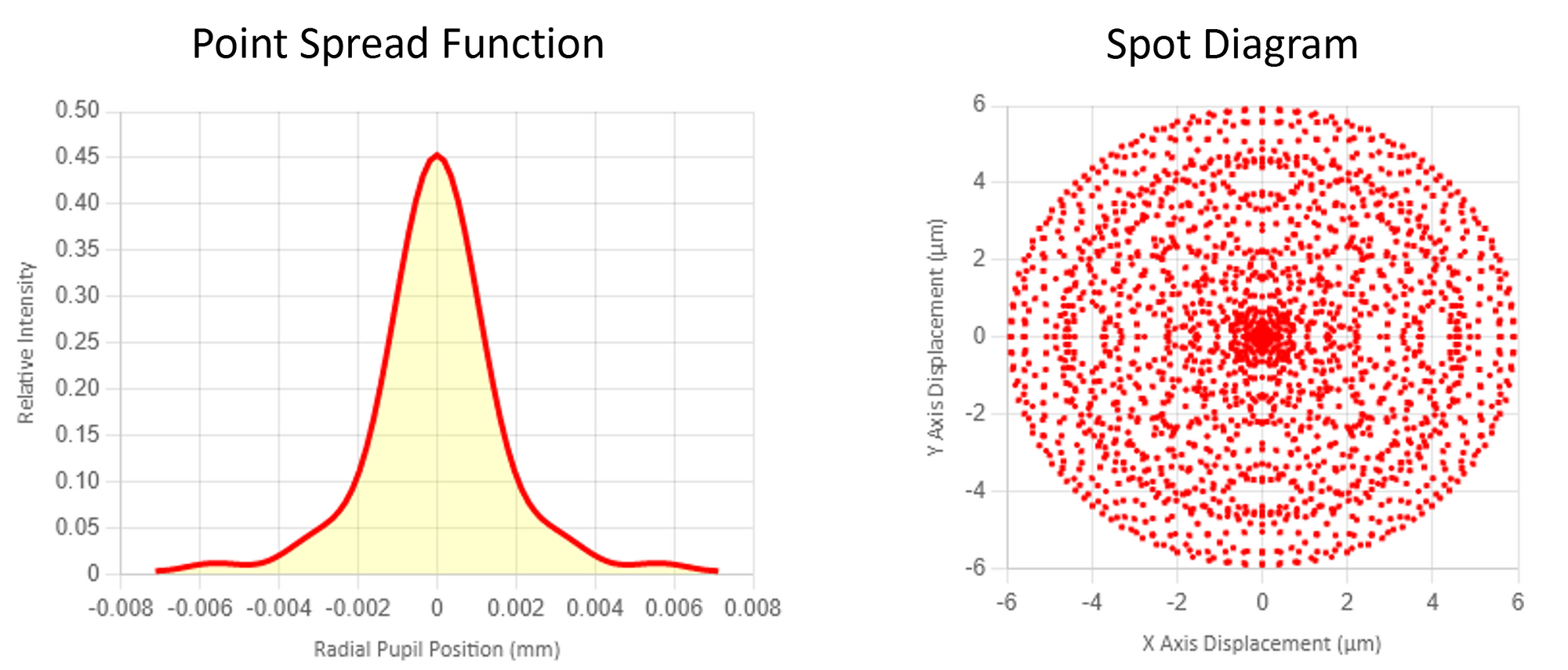
LLS #6: Evaluating Lens Design
When designing a lens or choosing a lens, it's important to know if the lens is good enough for your application. Having a suite of analysis types is an important part of this process. In this post we will cover five analysis types that can be used to evaluate lens performance.
Read article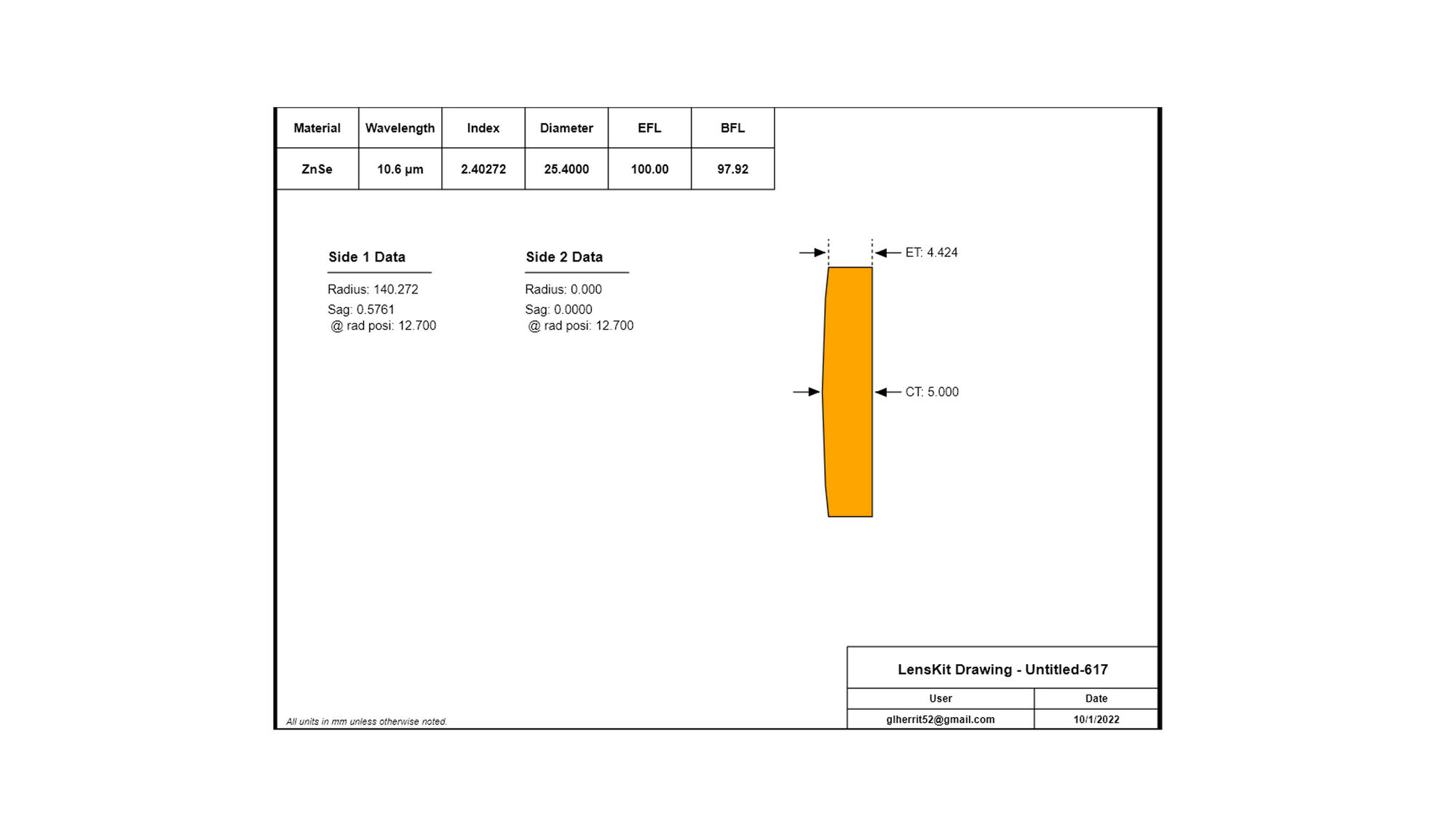
Design a Lens in a Few Minutes with LensKit.App
This video will show you how to design a new laser lens in just a few minutes.
Read article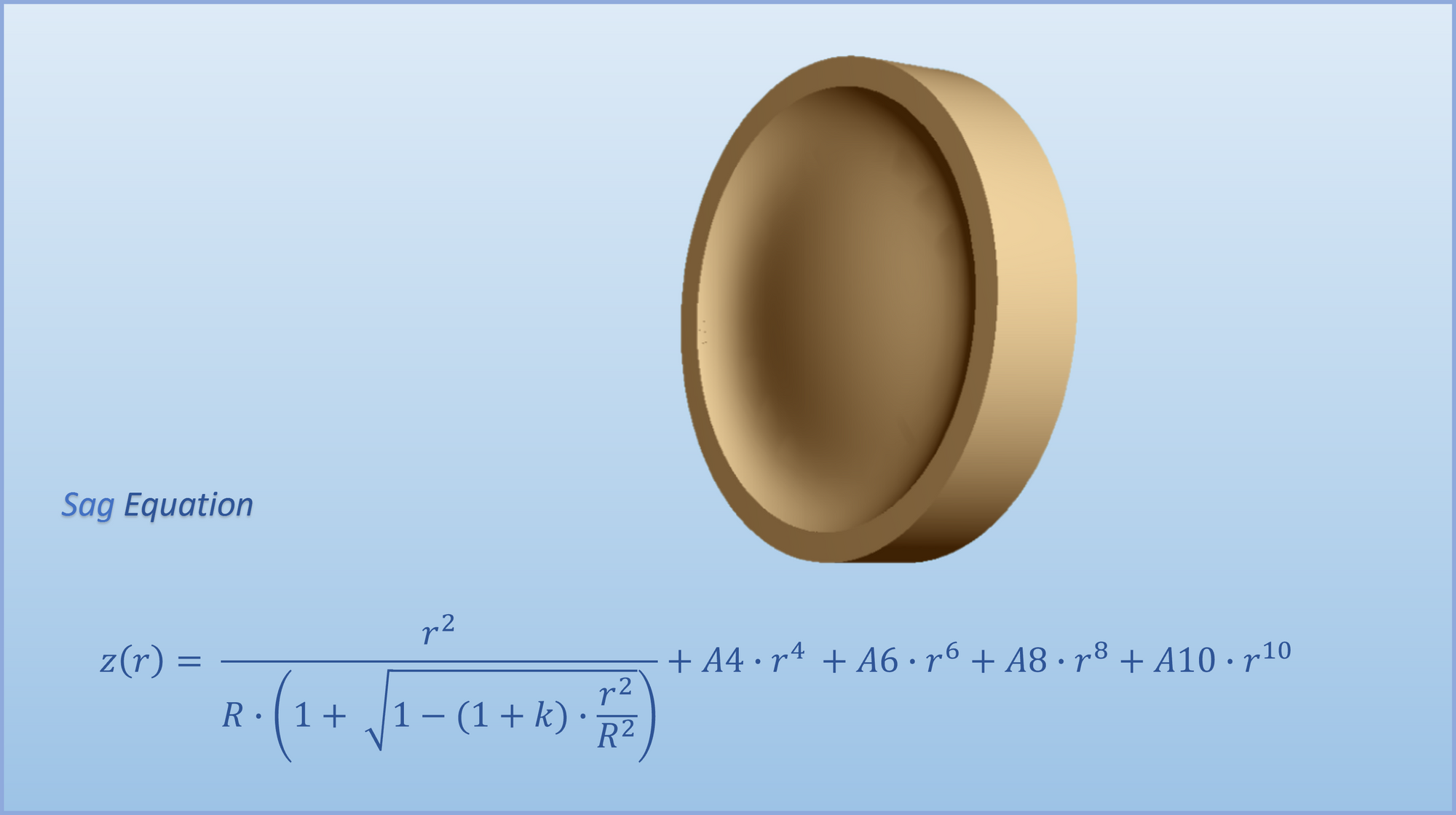
LLS #5: Aspheric Lenses
In LLS #4: Designing Laser Lenses we found that lenses using only spherical surfaces have some amount of spherical aberration. The magnitude of the spherical aberration can be quite small or quite large depending on focal length, laser beam diameter, lens shape, and index of refraction of the lens material. Adjusting these four parameters can only take you so far in minimizing spherical aberrations, however.
Read article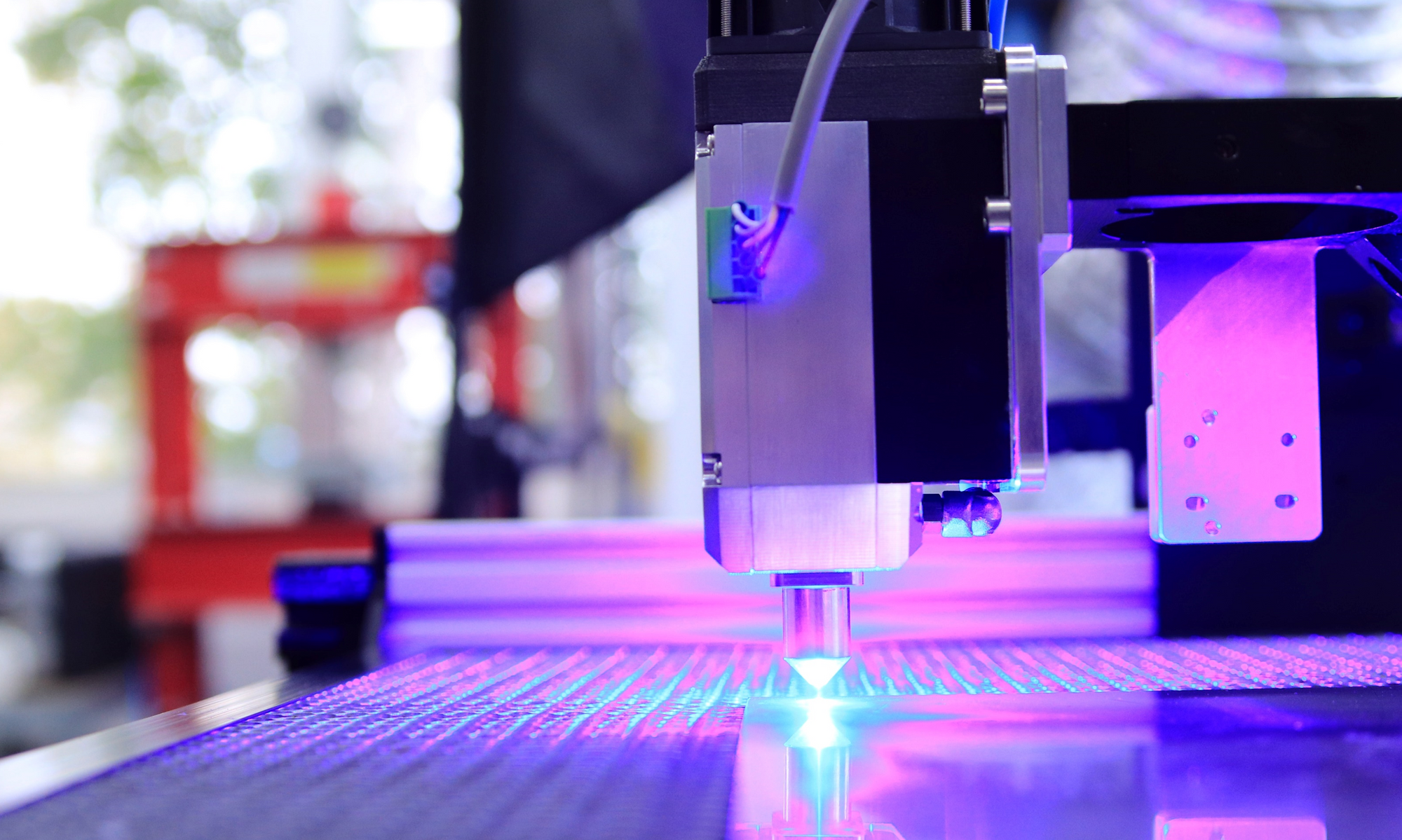
LLS #4: Designing Laser Lenses
Designing lenses for a laser application is simplified by the fact that the lens must work at only one wavelength – the wavelength of the laser. This is true for most laser applications, but there are some exceptions which might be discussed in later posts.
Read article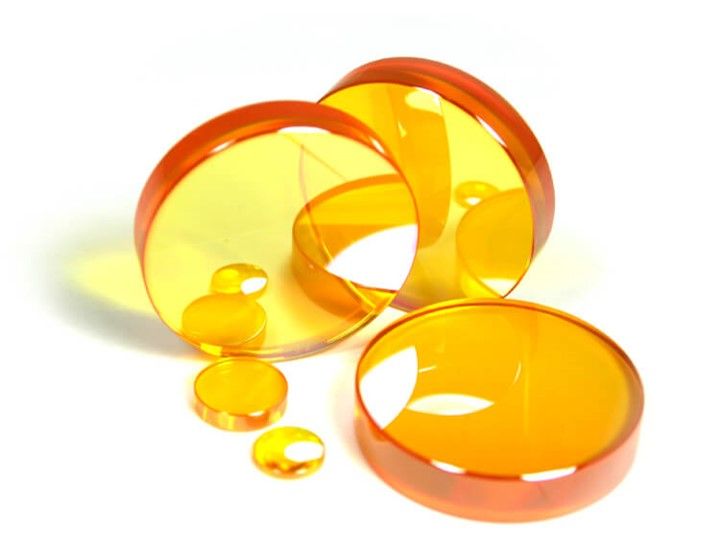
LLS #3: Basic Lens Types
For most laser systems there are mainly 6 types of lenses that are commonly used to change that shape of a laser beam. These can be broken down into two groups: positive focal length lenses and negative focal length lenses.
Read article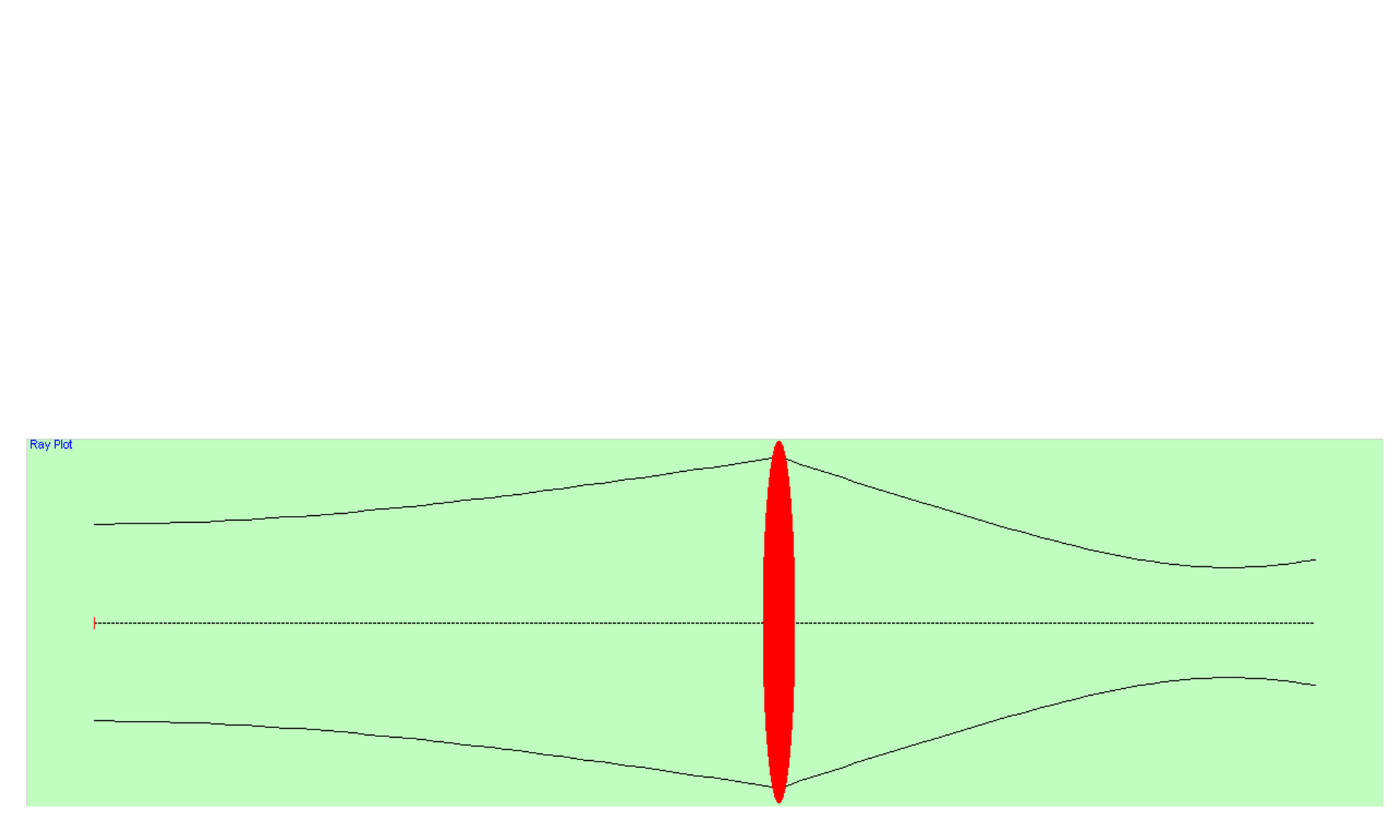
LLS #2: Laser Beam Divergence
Laser beam divergence is a characteristic of all laser beams. This is one of those fundamental rules of coherent light and it is governed by a pretty simple equation.
Read article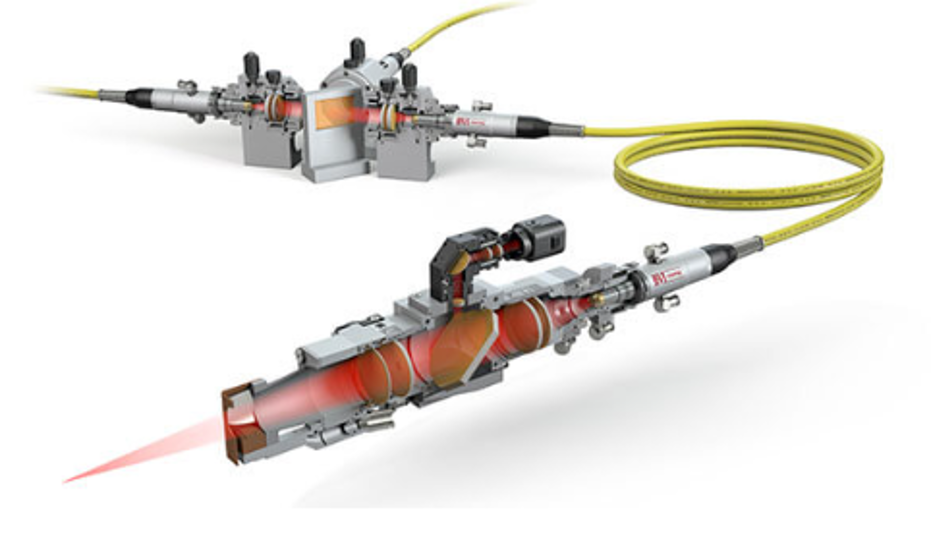
LLS #1: Lenses and Lasers, A Necessary Connection
The unsung hero of the laser industry is the lens (slight hyperbole 😊). Today we can find a host of content on the internet about the pervasiveness of lasers. In fact, it would be safe to say that lasers have shaped our society as much as computers and cell phones. Without lasers, computer chips and cell phones could not be made in same size and power as we come to take for granted.
Read article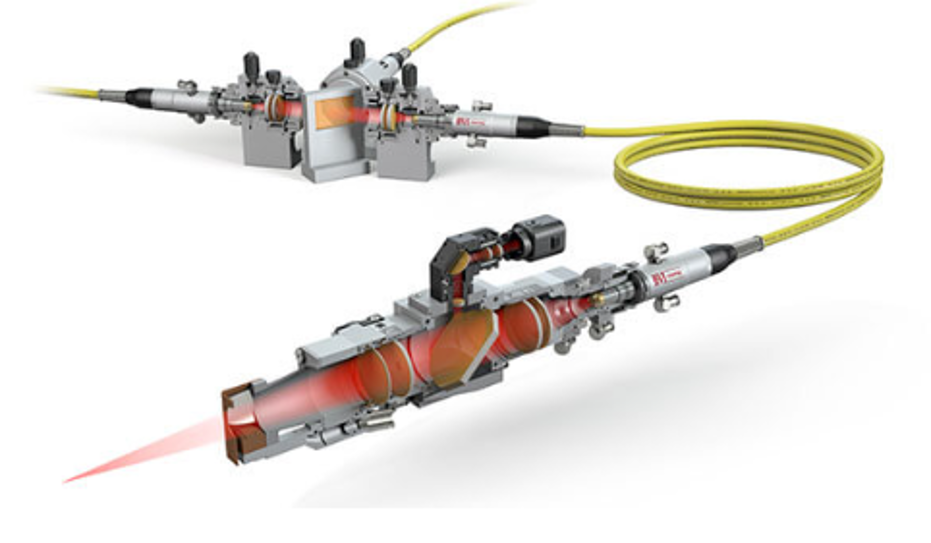
Lenses and Lasers Series (LLS)
This is a series about the interconnection between lenses and lasers. In this series of posts, we'll talk about lasers and the beams they generate, and how optical lenses enable laser beams do work in most laser applications.
Read article
 Gary Herrit